
Gentle Baby Skincare: A Complete & Caring Guide
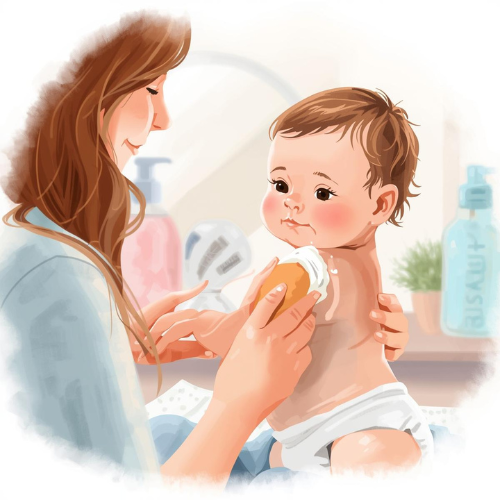
Babies have incredibly soft and sensitive skin that needs extra love and gentle care. This Baby Skincare Guide will help parents understand everything about baby skincare—from choosing safe, gentle products to building a daily skincare routine that keeps your little one healthy, soft, and comfortable.
If you want to explore overall baby care, check out our detailed guide here:
Baby Skincare Guide: Understanding
Your Baby’s Delicate Skin
A baby’s skin is incredibly soft, delicate, and much thinner compared to adult skin, making it highly sensitive to environmental changes and everyday products. Because their natural protective barrier is still developing, newborns and infants are more prone to dryness, rashes, irritation, and other common skin issues. This Baby Skincare Guide is designed to help parents understand what their baby’s skin truly needs — gentle care, clean and safe ingredients, and simple, effective routines that protect, nourish, and maintain healthy skin.
Since baby skin loses moisture more quickly and reacts faster to external factors such as weather, pollution, or friction, following the tips in this Baby Skincare Guide with mild, fragrance-free products and age-appropriate skincare routines can make a significant difference. Choosing clean, hypoallergenic, and dermatologist-tested ingredients helps maintain your baby’s natural softness while reducing the chances of dryness, redness, and irritation. By consistently applying these gentle care practices, you can ensure that your little one’s skin remains healthy, hydrated, and beautifully protected every day, giving parents peace of mind and a happier, more comfortable baby.
Additionally, this Baby Skincare Guide also covers practical advice on choosing the right moisturizers, cleansing routines, and products suitable for different skin types and seasons, empowering parents to make informed decisions for long-term skin health. By following these simple yet effective strategies, parents can create a nurturing skincare routine that not only safeguards the baby’s delicate skin but also fosters confidence in handling everyday skincare needs safely and effectively.
Why Is Specialized Baby Skincare Important?
Higher Water Loss
Newborn skin loses moisture faster, making babies more prone to dryness and rough patches. Gentle moisturizers help strengthen the skin’s natural barrier.
Faster Absorption
Baby skin absorbs products more quickly due to its thinness. This makes mild and fragrance-free formulas essential.
High Sensitivity
Babies react easily to irritants, heat, harsh soaps, or synthetic chemicals. Choosing hypoallergenic products reduces discomfort and rashes.
Daily Baby Skincare Guide for Healthy, Happy Skin
⭐ Morning Routine
- Clean baby’s face with lukewarm water
- Apply a gentle, fragrance-free lotion
- Choose breathable cotton clothing
- Use a soft hat when outdoors
⭐ Night Routine
- Bathe baby 2–3 times a week
- Pat dry — never rub
- Apply moisturizer within 3 minutes
- Use diaper cream before bedtime
Essential Baby Skincare Guide: Products
Every Parent Should Have
Gentle Baby Cleanser
Tear-free, mild formulas protect the natural oils.
Fragrance-Free Moisturizer
Keeps skin soft and hydrated.
Diaper Rash Cream
Protects delicate skin against irritation.
Light Baby Massage Oil
Supports softness and bonding.
Baby-Safe Sunscreen (6+ months)
Mineral-based and gentle.
Seasonal Baby Skincare Guide: Summer, Winter & Monsoon

Summer Care
Keep baby cool
Moisturize often
Use airy cotton clothes

Winter Care
Use richer moisturizers
Lukewarm baths only
Protect lips with mild balm

Monsoon Care
Dry skin properly after bath
Change damp clothes quickly
Prevent rashes with breathable diapers
Ingredients You Should Avoid in Baby Products
A baby’s skin is incredibly delicate, making it highly sensitive to even small amounts of harsh chemicals. Following this Baby Skincare Guide, parents can learn how to choose products with safe, gentle, and minimal ingredients. Many commercial skincare products may be safe for adults but can irritate newborns and infants. By using the recommendations in this Baby Skincare Guide, you can carefully check labels and avoid ingredients that may disrupt your baby’s natural skin barrier or trigger dryness, redness, rashes, or allergies.
Selecting the right baby skincare products becomes much easier when you know which ingredients to avoid. This Baby Skincare Guide emphasizes steering clear of strong fragrances, artificial dyes, and harsh preservatives to keep your baby’s skin soft, calm, and healthy. Choosing clean, transparent brands and formulas specifically designed for infants ensures a safer daily routine. By applying the tips from this Baby Skincare Guide, parents can protect their baby’s skin, reduce the risk of irritation, and promote long-term skin health.
🚫 Artificial Fragrances
Fragrances can irritate baby skin and often contain hidden chemicals.
🚫 Parabens
Used as preservatives, parabens may affect sensitive skin and cause dryness.
🚫 Alcohol-Based Solutions
These dry out the skin quickly and may lead to peeling or irritation.
🚫 Artificial Colors or Dyes
Unnecessary additives that can trigger allergic reactions.
🚫 Sulfates (SLS/SLES)
Strong cleansing agents that strip natural oils, making baby skin dry and itchy.
🚫 Strong Exfoliants
Baby skin doesn’t need scrubs or exfoliating ingredients — they can damage the barrier.
Common Baby Skin Issues & Gentle Solutions
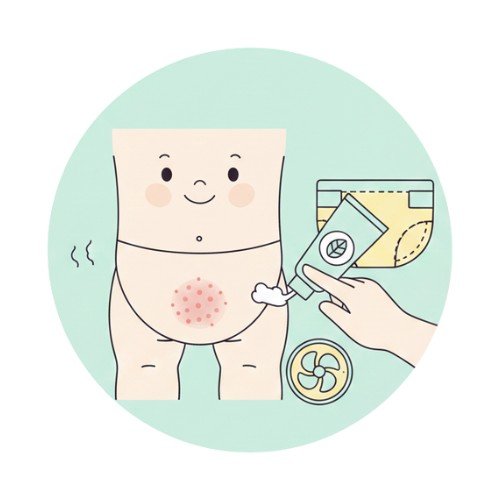
A. Diaper Rash
Diaper rash is one of the most common skin issues in newborns. It usually happens when the skin stays wet for too long, or when diapers rub against sensitive skin.
Solution (Step-by-Step):
Change diapers frequently to keep the area dry.
Let your baby have a few minutes of “diaper-free time” to allow skin to breathe.
Apply a thick layer of a zinc oxide–based diaper cream to create a protective barrier.
Use soft, fragrance-free wipes or plain water to clean gently.
B. Dry Skin & Eczema
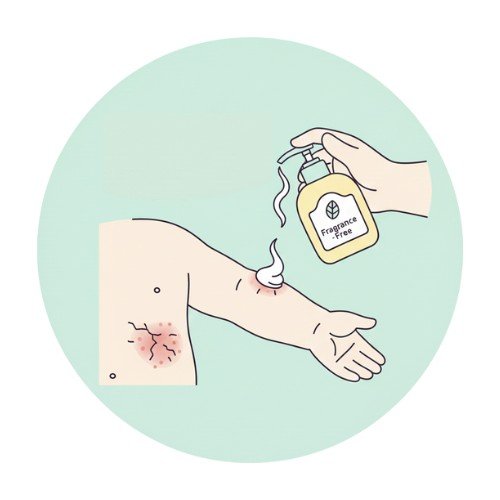
Babies naturally lose moisture faster than adults, which can lead to dry patches. Some infants also develop eczema, a condition that makes the skin itchy, red, and sensitive.
Solution (Step-by-Step):
Moisturize 2–3 times a day using a gentle, fragrance-free baby lotion or cream.
Apply moisturizer immediately after bathing to lock in hydration.
Use lukewarm water for baths and avoid harsh soaps or foaming cleansers.
Dress your baby in soft cotton clothes to prevent friction.
C. Cradle Cap
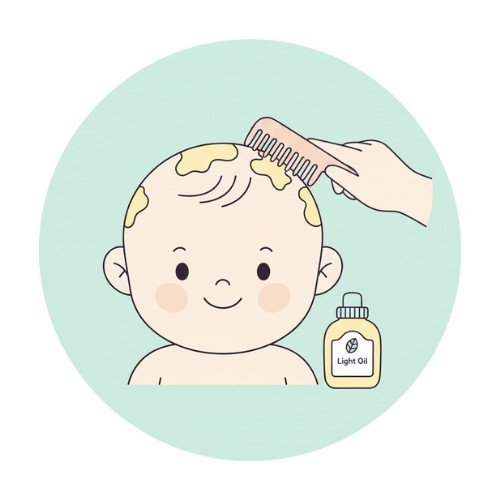
Cradle cap appears as yellowish, flaky patches on a baby’s scalp. It is harmless and not painful, but it can look concerning to parents.
Solution (Step-by-Step):
Apply a few drops of coconut oil or baby oil to loosen the flakes.
Let it sit for 10–15 minutes.
Use a soft baby brush to gently remove the loosened flakes.
Wash with a mild, tear-free baby shampoo.
How to Choose the Perfect Baby Skincare Product
- Dermatologically tested
- Hypoallergenic
- pH-balanced
- Fragrance-free
- Short ingredient list
- Trusted brand transparency
- Choosing the right skincare product for your baby is an important step in protecting their delicate and sensitive skin. Since baby skin is thinner and more absorbent than adult skin, even small amounts of harsh ingredients can cause irritation. This Baby Skincare Guide helps parents focus on products that are gentle, safe, and specially designed for infants.
- When selecting baby skincare products, always look for options that are dermatologically tested, as this ensures the product has been evaluated for skin safety. As explained in this Baby Skincare Guide, products labeled hypoallergenic are less likely to trigger allergic reactions, making them suitable for sensitive baby skin. A pH-balanced formula also helps maintain the skin’s natural protective barrier and prevents dryness or irritation.
- It’s equally important to choose fragrance-free products, as artificial scents are a common cause of skin reactions in babies. This Baby Skincare Guide recommends choosing products with a short and simple ingredient list, as fewer ingredients reduce the risk of irritation. Finally, trust brands that are transparent about their ingredients and testing process, helping ensure your baby’s skin stays soft, healthy, and well-protected every day.
🌿 Why Choosing the Right Baby Skincare Products Matters
Selecting the right skincare products is one of the simplest ways to protect your baby’s sensitive skin. Newborn skin is much thinner and more absorbent, which means harsh chemicals, artificial fragrances, or alcohol-based formulas can easily cause dryness, redness, or irritation. Following this Baby Skincare Guide helps parents choose products that are dermatologically tested, pH balanced, and hypoallergenic, supporting the skin’s natural barrier and keeping it soft, hydrated, and healthy. By using the tips in this Baby Skincare Guide, you can reduce the chances of rashes and discomfort, making daily care easier and stress-free for both parents and babies.
🧴 Tips to Identify Safe & Baby-Friendly Products
Always check the ingredient list before buying anything for your baby. Short, simple, and clean formulas are usually the safest. This Baby Skincare Guide recommends looking for labels such as “fragrance-free,” “no parabens,” “no sulphates,” and “dermatologist recommended,” as these signs show the product has gone through proper safety testing. Also, avoid strong perfumes or heavy colors, as they are common triggers for allergies. By following the tips in this Baby Skincare Guide, you can ensure that the products you choose for your baby’s skin are gentle, protective, and truly safe for everyday use.
Selecting the right skincare products is one of the simplest ways to protect your baby’s sensitive skin. Newborn skin is much thinner and more absorbent, which means harsh chemicals, artificial fragrances, or alcohol-based formulas can easily cause dryness, redness, or irritation. Following this Baby Skincare Guide helps parents choose products that are dermatologically tested, pH balanced, and hypoallergenic, supporting the skin’s natural barrier and keeping it soft, hydrated, and healthy. By using the tips in this Baby Skincare Guide, you can reduce the chances of rashes and discomfort, making daily care easier and stress-free for both parents and babies.
When Should You Contact a Pediatrician?
Baby skin problems are common, especially during the early months, but not every skin concern should be treated at home. While mild dryness or occasional rashes often improve with gentle care, some symptoms may indicate the need for professional medical attention. Knowing when to contact a pediatrician helps protect your baby’s comfort, health, and delicate skin.
🚨 Contact a Doctor If You Notice:
Rashes that do not improve, continue to spread, or return frequently despite gentle skincare
Skin that becomes extremely dry, cracked, oozes fluid, or starts bleeding
Redness, swelling, warmth, or tenderness that worsens instead of healing
Signs of infection such as pus, fever, or unusual skin discoloration
Your baby showing persistent discomfort, excessive crying, itching, or irritation
A skin reaction appearing soon after using a new skincare product or detergent
Early consultation with a pediatrician can help identify the cause of the problem, prevent further irritation, and ensure your baby receives safe and appropriate treatment. Medical guidance also helps parents avoid unnecessary product use and gives peace of mind when caring for sensitive baby skin.
(This is general information — not medical advice.)
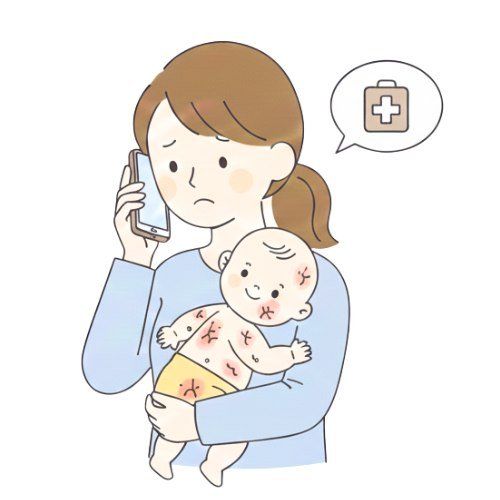
🩺 When Should You Contact a Pediatrician?
- Babies often experience minor skin issues as their delicate skin adjusts to the world, and in many cases, these problems improve with gentle care and the right skincare products. However, some signs should never be ignored. If your baby’s skin condition does not improve despite regular care, or if you notice persistent rashes, extreme dryness, swelling, oozing, or worsening redness, it may be time to seek medical advice. These symptoms can sometimes point to infections, allergies, or underlying skin conditions that require professional evaluation.
- Contacting a pediatrician becomes especially important if your baby appears uncomfortable, develops a fever along with skin changes, or shows signs of pain or excessive itching. Early consultation helps prevent further irritation, reduces discomfort, and ensures your baby receives safe and appropriate treatment. A pediatrician can also guide you on suitable products, skincare routines, and when medical intervention is truly necessary, giving parents peace of mind and ensuring the best care for their baby’s skin.
💡 Why Medical Guidance Matters
- A pediatrician plays an important role in identifying whether a baby’s skin issue is temporary or requires proper medical treatment. Since babies cannot clearly express discomfort, visible skin changes such as redness, rashes, dryness, or swelling are often the first signs that something may be wrong. Seeking early medical guidance helps parents understand the root cause of the problem instead of relying on guesswork or trial-and-error products.
- Timely advice from a pediatrician ensures your baby receives safe and appropriate care based on their specific skin needs. It also helps prevent the overuse of unsuitable skincare products that may worsen irritation or damage the skin’s natural barrier. With professional guidance, parents can feel confident about treatment choices, protect their baby’s delicate skin from further harm, and ensure long-term skin health and comfort. If you want know more about Baby Skincare Guide then Click Here
(This information is intended for general awareness only and should not replace professional medical advice.)
Frequently Asked Questions About Baby Skincare
How often should I bathe my baby?
2–3 times a week to retain natural oils.
Should I use fragrance-free products only?
Yes, it’s safer and reduces irritation.
When should I moisturize?
Right after bath — within 3 minutes
Can I use adult skincare on babies?
No, baby skin needs mild and specific formulas.