
Baby Toys: A Safe Play Toys for
Babies Guide for Early Learning
Choosing the right toys is an important part of your baby’s growth and safety. This safe play toys for
babies guide helps parents understand how toys support learning, development, and safe exploration
during the early years. From gentle textures to age-appropriate designs, selecting the right toys ensures
your baby can play, learn, and grow without unnecessary risks.
Understanding the Importance of Baby Toys
- Understanding toy safety is essential for every parent. A trusted safe play toys for babies guide focuses not only on fun and learning but also on choosing toys that protect your baby from choking hazards, harmful materials, and unsafe designs. In the early stages of life, babies begin learning through simple actions like touching, holding, and looking at objects around them. Baby toys play an important role in this process by helping babies explore in a safe and enjoyable way. Soft textures, gentle sounds, and bright colors naturally attract a baby’s attention and encourage curiosity. Even small play sessions help babies feel relaxed and engaged, making playtime a positive part of their daily routine. Over time, these early experiences support emotional comfort and help babies become familiar with their surroundings.
- As babies grow, their play habits slowly change, and they start interacting with toys more actively. Age-appropriate toys help improve hand movements, coordination, and basic problem-solving skills without overwhelming the child. Parents should focus on toys that are simple, safe, and designed for everyday play rather than toys that are too complex or noisy. Choosing the right toys helps create a calm and happy play environment where babies can develop skills naturally, enjoy learning, and feel confident while playing at their own pace. Simple, well-chosen toys often have the biggest impact on a baby’s early learning journey.
Why Are Baby Toys Important for Development?
This safe play toys for babies guide explains how choosing toys according to your baby’s age helps support healthy development while ensuring safe and supervised play at every stage.
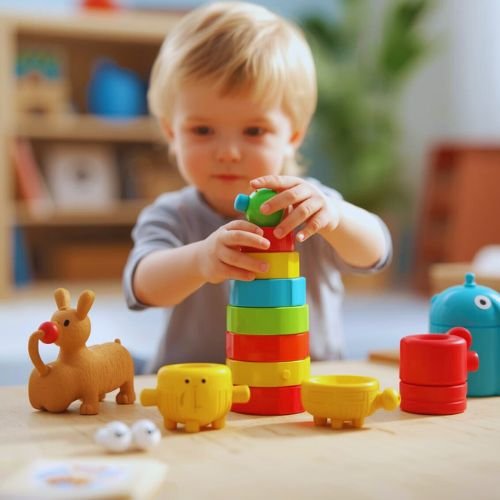
Supports Brain Development
Baby toys stimulate thinking and learning by encouraging exploration, curiosity, and memory. Simple puzzles and interactive toys help babies understand cause and effect.
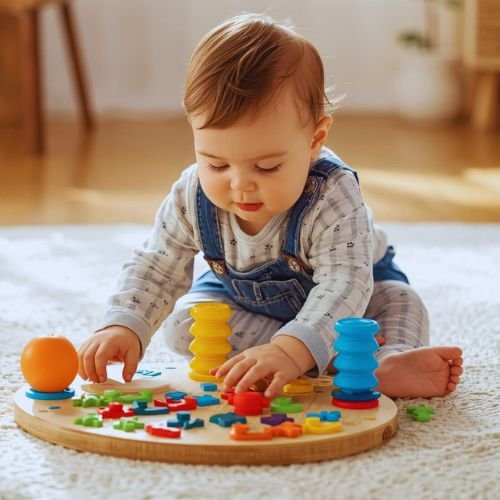
Improves Motor Skills
Grasping, shaking, crawling, and stacking toys strengthen hand-eye coordination and muscle development.
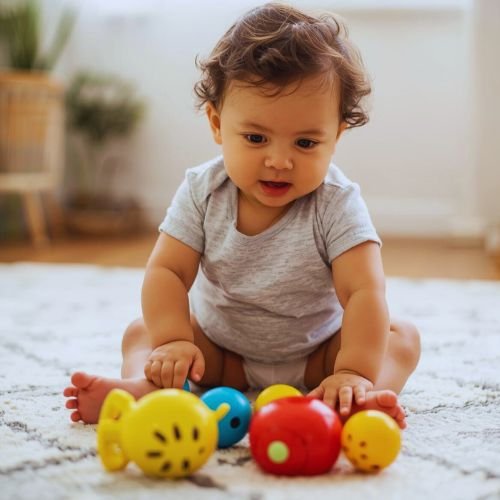
Encourages Emotional Growth
Playing with toys helps babies feel calm, happy, and secure. It also builds confidence as they learn new skills.
Choosing Baby Toys by Age
This safe play toys for babies guide breaks down toy choices based on your baby’s age and abilities.
Baby Toys for 0–6 Months
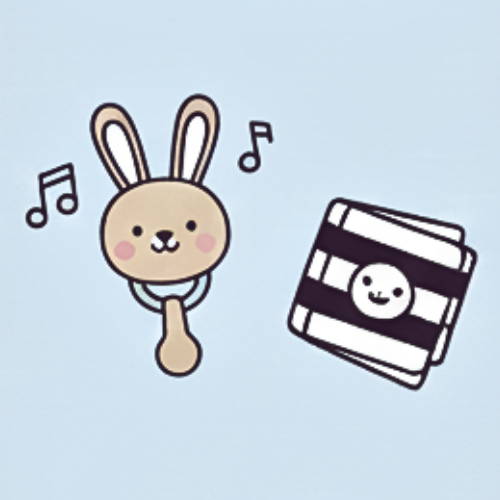
According to this safe play toys for babies guide, newborn toys should focus on comfort and sensory learning. During the first six months, babies are still adjusting to light, sound, and touch. Toys at this stage should be soft, gentle, and easy to hold. Babies enjoy toys that make soft sounds or have simple textures, as these help improve focus and comfort.
Best Toy Options:
Soft rattles that are easy to grip
Teething toys made from safe materials
Black and white contrast toys for visual development
Soft cloth books with simple patterns
Baby Toys for 6–12 Months
Between six and twelve months, babies become more active and curious. They start sitting, crawling, and responding to sounds and movement. Toys that encourage interaction help improve coordination and keep babies engaged during playtime.
Best Toy Options:
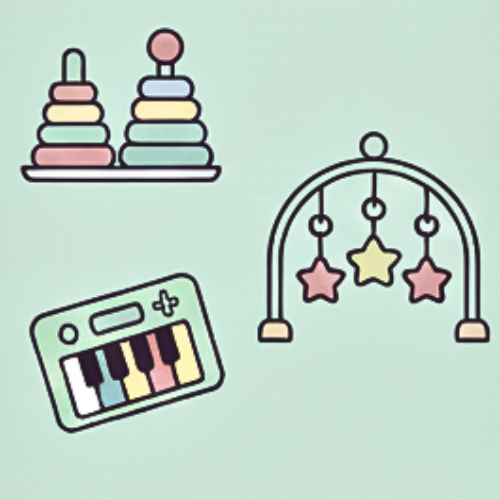
Stacking toys for hand coordination
Musical toys with gentle sounds
Soft balls for rolling and grasping
Activity gyms that support movement
Baby Toys for 1–2 Years
At this stage, babies begin to walk, explore, and understand simple actions. Toys should support movement, thinking, and problem-solving while still being safe and easy to use.
Best Toy Options:
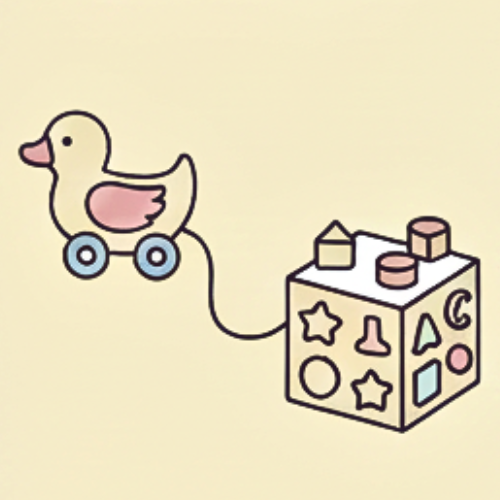
Push and pull toys for walking support
Shape sorters to improve thinking skills
Simple puzzles with large pieces
Ride-on toys for balance and fun
Different Types of Baby Toys
This safe play toys for babies guide highlights different toy types that support learning through play.
Sensory Toys
Help babies explore sound, touch, and sight using different textures and colors.
Educational Toys
Encourage learning, counting, shapes, and early problem-solving.
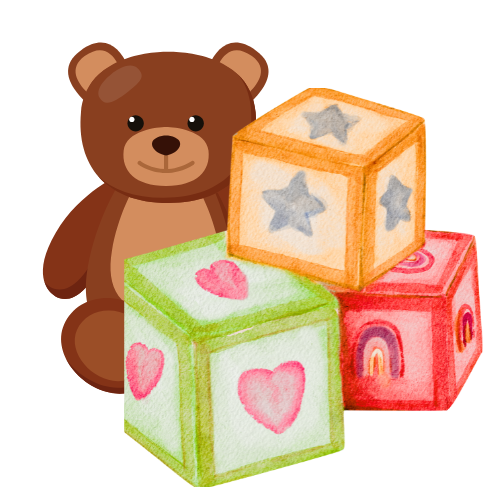
Soft Toys
Provide comfort and emotional bonding while being safe for cuddling.
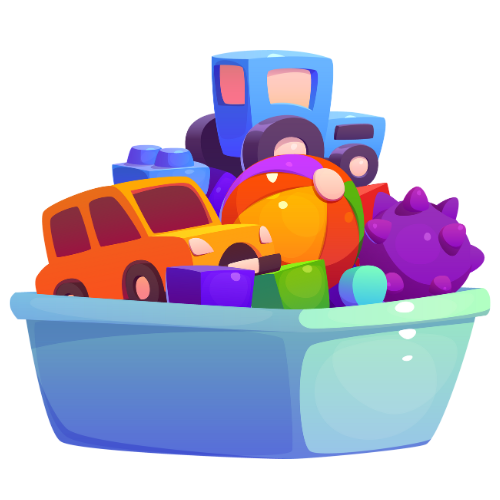
Outdoor & Activity Toys
Support physical movement and active play for growing babies.
.
Baby Toy Safety Tips Every Parent Should Know
Safety is a key focus of this safe play toys for babies guide, helping parents avoid common risks. Following a proper safe play toys for babies guide allows parents to understand essential safety rules, helping reduce risks and create a secure play environment at home.
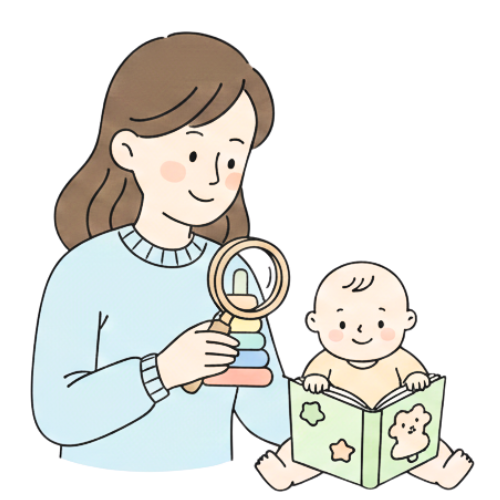
Playtime Safety Rules :-
- Choose age-appropriate toys
- Avoid small parts that can cause choking
- Select non-toxic, BPA-free materials
- Check for smooth edges
- Clean toys regularly
Safety should always come first when selecting toys. Babies often put toys in their mouths, so materials must be safe and easy to clean. Always read labels and follow age recommendations to ensure worry-free playtime. These simple precautions help parents create a safer and more enjoyable play environment for their baby.
Materials to Avoid in Baby Toys
In this safe play toys for babies guide, we explain which materials parents should carefully avoid. When buying toys for babies, safety should always come before appearance or price. Babies explore the world by touching, chewing, and putting toys in their mouths, which makes material quality extremely important. Some toys may look attractive but can contain unsafe materials that may cause irritation, choking, or long-term health concerns. Knowing which materials to avoid helps parents make better and safer choices for their little ones.
❌ Unsafe Materials to Avoid :-
🚫 Toxic Paints or Dyes
Toys with harmful paints may contain chemicals that are unsafe when babies chew or suck on them.
⚠️ Sharp Edges or Rough Surfaces
Poorly finished toys can scratch delicate skin and increase the risk of injury during play.
🔴 Loose Buttons, Beads, or Small Parts
Small detachable parts can easily become choking hazards, especially for infants and toddlers.
♻️ Low-Quality or Recycled Plastics
Cheap plastics may break easily and may release unsafe substances over time.
👃 Strong Chemical Smells
A strong smell often indicates the presence of harmful chemicals that should be avoided in baby products.
✅ Safety Tip:
Always choose baby toys made from certified, non-toxic, and child-safe materials. Look for safety labels and trusted brands, and avoid toys that feel poorly made or smell unusual.
How Playtime Helps Your Baby Grow
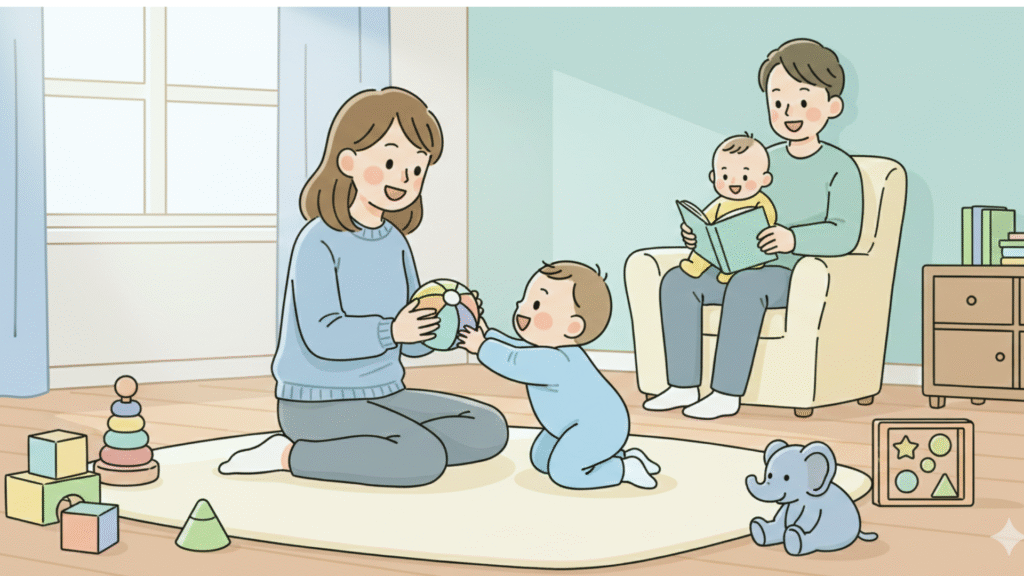
Playtime is not just about keeping babies busy — it plays an important role in their overall growth and development. Through play, babies learn how to move their bodies, understand their surroundings, and express their feelings. Simple activities like holding toys, rolling a ball, or listening to sounds help improve coordination, focus, and curiosity. Regular play also supports healthy brain development by encouraging babies to explore, observe, and respond to new experiences in a natural way.
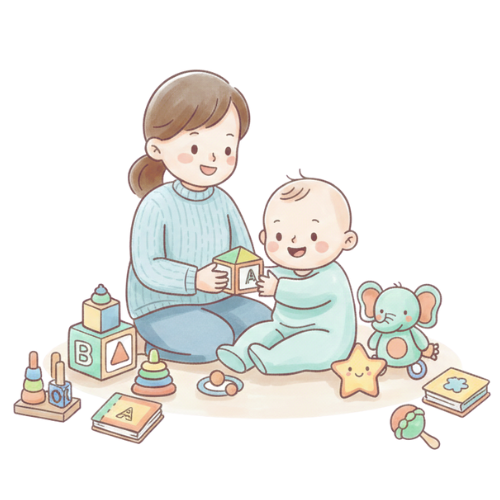
Playing together also builds a strong emotional connection between babies and parents. When parents talk, smile, and interact during playtime, babies feel safe and loved. This bonding helps improve communication skills and emotional balance from an early age. Daily play routines, even for a short time, support physical strength, mental growth, and social confidence. Most importantly, playtime brings happiness and comfort to both baby and parent, creating joyful moments that support healthy development.This safe play toys for babies guide encourages parents to choose toys based on safety, age, and comfort.
Key Benefits of Daily Playtime
- Supports physical movement and muscle strength
- Improves learning, attention, and problem-solving skills
- Helps babies express emotions and feel secure
- Strengthens parent–child bonding through interaction
- Encourages curiosity and confidence in early life
(This content is for general information only and supports healthy play habits.)
How to Select the Perfect Baby Toys
Simple Checklist for Choosing Safe Baby Toys
- Age-Appropriate Design
- Safe & Non-Toxic Materials
- Easy to Clean
- Durable Yet Soft
- Simple and Engaging
- Trusted Quality Standards
Choosing baby toys is not about filling the room with many items. It is about picking toys that are safe, useful, and meaningful for your baby. Good toys support a baby’s natural curiosity and make playtime peaceful and enjoyable. Simple toys that encourage gentle movement, touch, and imagination often help more than loud or complicated toys. When parents choose toys based on safety, comfort, and the baby’s age, playtime becomes a happy and healthy part of everyday growth.
When Should You Replace Baby Toys?
🔧 If toys are cracked or broken
Broken toys can develop sharp edges that may hurt your baby’s soft hands, gums, or mouth during playtime. Such toys should be removed immediately to avoid injuries.
⚠️ If small parts become loose
Loose buttons, beads, or tiny pieces can easily come off and create choking hazards, especially for babies who explore toys by putting them in their mouth.
🎨 If paint or coating starts peeling
Peeling paint or coating may contain unsafe materials. Babies may swallow these particles while chewing toys, which can affect their health over time.
📏 If toys are no longer age-appropriate
As your baby grows, some toys may no longer match their age or development level. Replacing them with suitable toys keeps playtime safe, interesting, and beneficial.
Replacing old or damaged baby toys is an important part of keeping playtime safe. Regularly checking toys helps parents avoid accidents and ensures that babies enjoy a clean, secure, and happy play environment every day. If you want know more about Baby Toys then Click Here
Conclusion / Final Section
Selecting the right toys is not about buying more, but about choosing wisely. This safe play toys for babies guide is designed to help parents make informed decisions that balance fun, learning, and safety. With age-appropriate, non-toxic, and well-designed toys, you can support your baby’s development while keeping playtime safe and joyful. By following this safe play toys for babies guide, parents can support safe play, learning, and happy growth.
Frequently Asked Questions (FAQs)
Babies do not need a large collection of toys. A few carefully chosen toys that are safe, simple, and suitable for their age are enough to support healthy play and learning.
Wooden toys can be a good choice when they are properly polished, free from sharp edges, and made using child-safe, non-toxic finishes meant for babies.
Toys that babies touch or chew should be cleaned often. Regular washing is recommended, especially for toys used every day or shared with others.
Yes, babies can play with shared toys, but parents should make sure the toys are cleaned and sanitized properly to maintain hygiene.
Toys that encourage movement, sensory exploration, and simple interaction—such as grasping, listening, or stacking—are most helpful during early growth stage